
Nelnet lawsuit explained: what the 2026 borrower complaint means for your student loan account
LINCOLN, Neb. · By Teja Pagidimarri · Published May 23, 2026 · 4 min read
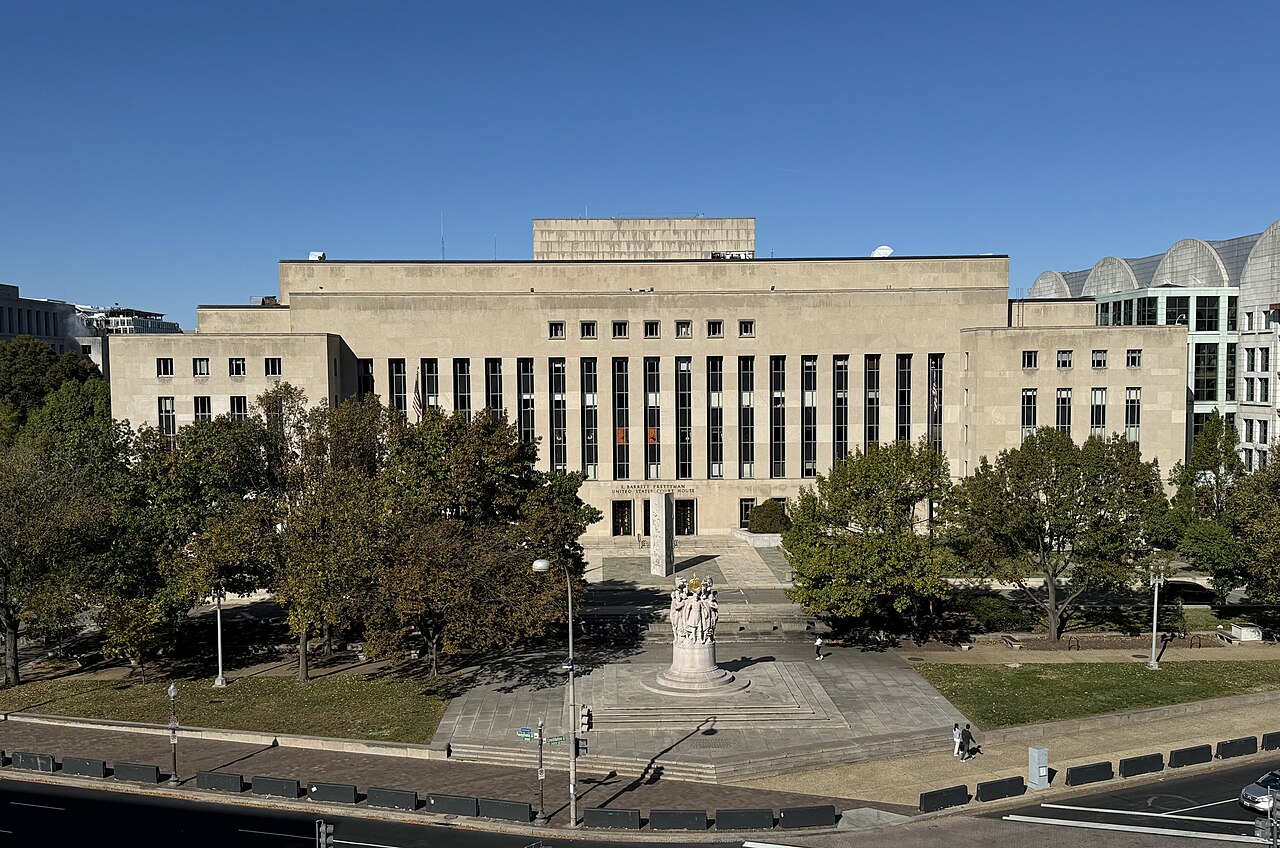
A class-action complaint against federal student-loan servicer Nelnet alleges improper payment application and interest accrual during the SAVE / IDR transition. The case is at the pleading stage in federal court; no class has been certified and no findings have been made. Borrowers concerned about their account in the meantime should pull statements and file a complaint with FSA / CFPB to put their issue on the record.
- Defendant
- Nelnet Servicing, a federal student-loan servicer.
- Allegations
- Misapplied payments, incorrect interest accrual, and account-status errors during the SAVE-to-IBR transition.
- Stage
- Filed in federal court, complaint stage. No class certification, no liability finding.
- Borrower recourse now
- Pull payment history, file an FSA complaint, and dispute with CFPB to preserve the timeline.
What the complaint alleges
The complaint, filed in federal court, alleges Nelnet misapplied borrower payments during the multi-month transition off the SAVE plan, with interest continuing to accrue on balances that borrowers had paid down. It also alleges incorrect account-status reporting during the same period.
These are allegations, not findings. The defendant has not yet answered, no class has been certified, and no court has made any finding of liability. The backdrop is a turbulent stretch for income-driven repayment: after SAVE was paused by litigation, millions of borrowers were moved into administrative forbearance and re-enrolled into other plans, and that compressed migration raised the room for processing error across servicers.
What a class action is, and is not
A class action lets a few named plaintiffs sue on behalf of a larger group allegedly harmed the same way. Filing a complaint is only the first step. A judge has not yet decided whether the case can proceed on behalf of a class at all, a stage known as class certification. Until then there is no defined group, no finding of wrongdoing, and no remedy.
For borrowers, a lawsuit existing does not change your account or obligations today. You do not need to opt in at the complaint stage, and there is nothing to claim yet. If a class is later certified, courts notify affected borrowers directly, by mail and to the email on file. Treat the filing as a prompt to check your own records.
How to audit your own account, step by step
Whatever happens in court, the most useful thing a borrower can do is confirm their own numbers are right. Work through the following:
- Log in to studentaid.gov and download your full loan and payment history. This is the FSA source of truth, separate from the servicer's own portal.
- Pull your bank records and match every payment against the dates and amounts the servicer recorded. Flag any payment that is missing, dated wrong, or applied to the wrong loan.
- Check how each payment was split between interest and principal, and confirm the running balance moves the way it should after each one.
- If you are pursuing forgiveness, verify your qualifying-payment count and confirm any forbearance months are categorized correctly.
- Save dated PDFs or screenshots of anything that looks wrong, so your record does not depend on the servicer's site staying unchanged.
To model what your balance and payments should look like, our student loan calculator helps you sanity-check the numbers against your statements.
Where to escalate a servicing dispute
If you find a discrepancy, raise it with the servicer first and keep the case number. Knowing the order of escalation saves time, and using each channel in sequence builds the strongest record.
| Channel | Best for | What it produces |
|---|---|---|
| The servicer directly | First attempt at any correction | A case number and a paper trail to reference later |
| FSA feedback / Ombudsman | Disputes the servicer will not fix | An issue logged on the federal record |
| CFPB complaint | A formal response when other routes stall | A required servicer response, generally within about 60 days |
| Credit bureau dispute | An incorrect delinquency on your report | A formal reinvestigation of the disputed entry |
Keep paying through all of this. A genuine servicing error does not pause your obligation, and stopping payment converts a dispute you might win into a delinquency that is entirely your problem. Do not refinance federal loans into a private loan to escape the servicer, which permanently strips away income-driven repayment and forgiveness, and do not pay any company that promises to get you into the lawsuit: complaints to FSA and the CFPB are free, and class notices, if they come, arrive directly. For broader context, try our debt payoff calculator and the US personal finance hub.
Frequently asked questions
Am I automatically part of this class action?
Not yet. No class has been certified. If a class is later certified, FSA-borrower notices typically go out by mail and to the email on file with the servicer.
Should I stop paying my Nelnet-serviced loan?
No. Stopping payment puts the loan into delinquency regardless of the lawsuit, which damages credit and ends IDR eligibility.
Have any allegations against Nelnet been proven in this case?
No. At the complaint stage, the claims are allegations only. The defendant has not yet answered, no class has been certified, and no court has made any finding of liability.
How do I check whether my payments were applied correctly?
Download your full history from studentaid.gov, match each payment to your bank records, and confirm how each was split between interest and principal. Flag anything missing, misdated, or applied to the wrong loan, and save dated copies.

Teja founded 3tej in 2024 to make multi-country tax and salary math less painful. He builds and maintains the calculators, writes the editorial guides on policy changes, and signs off every rate update before publish.