
Public Service Loan Forgiveness in 2026: what changed and who still qualifies
WASHINGTON · By Teja Pagidimarri · Published May 23, 2026 · 5 min read
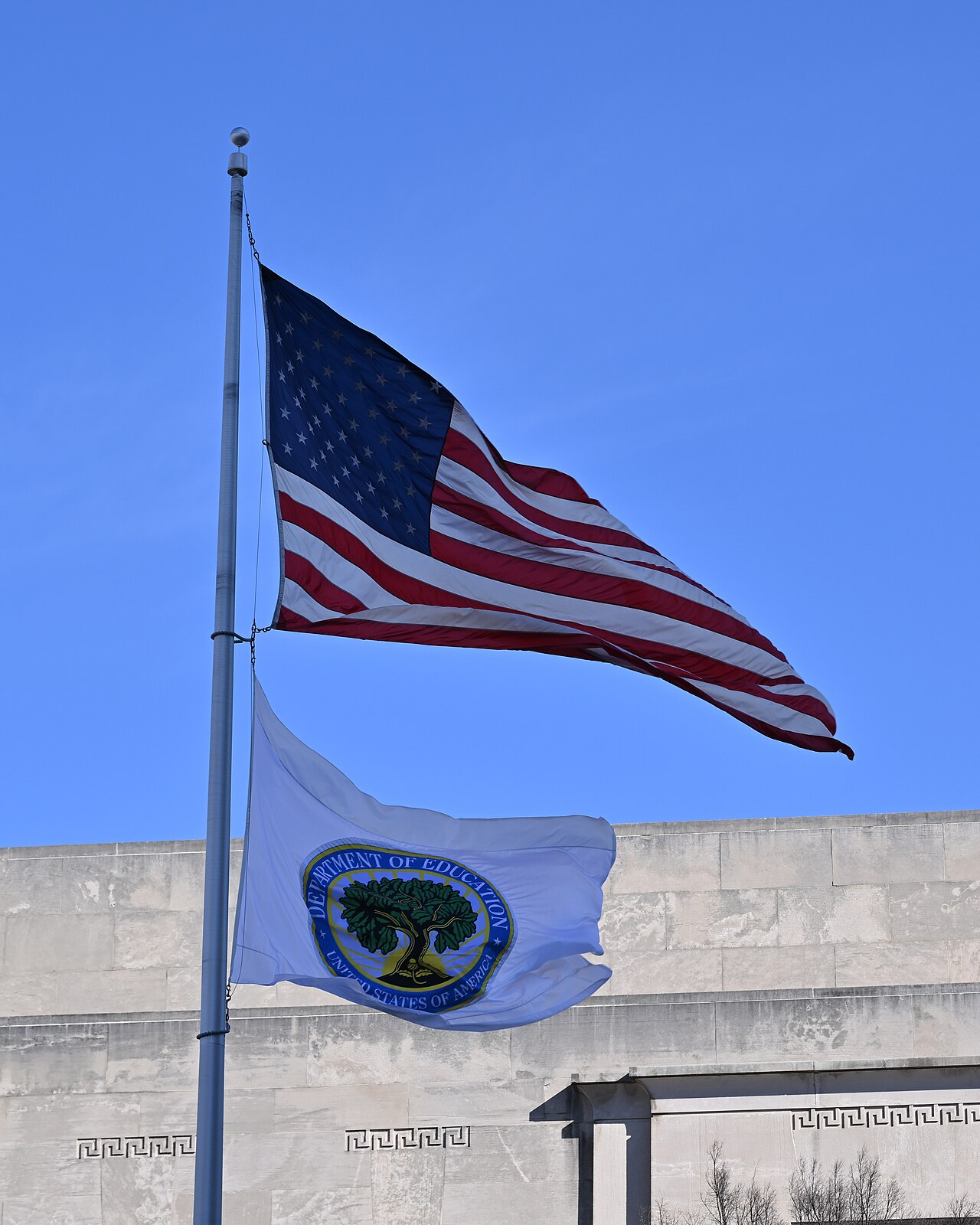
The Department of Education tightened Public Service Loan Forgiveness rules for 2026, narrowing the list of qualifying non-profit employers while leaving the core 120-payment / 10-year framework intact. Borrowers already enrolled under earlier employment certifications keep the existing terms; new applicants face the updated definition of qualifying employment.
- Core requirement
- 120 qualifying monthly payments while working full-time for a qualifying employer.
- Qualifying employers
- Federal, state, local and tribal government, plus 501(c)(3) non-profits. Some 'other' non-profits now excluded for new certifications.
- Qualifying plans
- Income-Driven Repayment plans (PAYE, IBR, ICR), plus the SAVE-replacement plan now routed through IBR for forgiveness counts.
- Full-time
- 30+ hours per week, certified by the employer via the PSLF form.
What the 2026 rule changes do
The Department of Education tightened the test for 'qualifying non-profit' employers, excluding categories the rulemakers said did not meet the public-service intent of the program. Government employers and traditional 501(c)(3) charities are unaffected.
Borrowers already certified through 2025 retain their existing employer status. The change applies to first-time certifications and to job changes in 2026, so anyone switching public-service jobs this year should re-certify the new employer rather than assume it carries over.
What the SAVE litigation means for counts
While the SAVE-plan rule sits in litigation, the Department is routing PSLF qualifying-payment counts through the IBR plan instead. Borrowers who were in forbearance during the SAVE pause can buy back missed months using the SAVE buyback process, which converts eligible forbearance months into qualifying payments.
If an account shows fewer than the expected 120 payments after a job certification, the PSLF Help Tool's payment-count reconciliation should be the first stop, not a new application.
Background: the 120-payment rule and qualifying plans
None of the 2026 adjustments touch the spine of the program, which has stayed the same since payments first started counting in October 2007. Forgiveness arrives after 120 qualifying monthly payments, the equivalent of ten years, but those payments do not have to be consecutive. A borrower can spend years in qualifying public-service work, leave for the private sector, then return later and the earlier qualifying payments are still on the ledger. What does not count is any month spent working for a non-qualifying employer.
The repayment plan matters because of arithmetic, not eligibility. The Standard 10-year plan technically qualifies, but a borrower who makes 120 payments under it has, by design, already retired the balance, so there is nothing left to forgive. That is why income-driven repayment is the route almost every PSLF borrower takes: the lower monthly figure keeps a balance alive across the decade. Our student loan calculator shows how an income-driven payment compares with the Standard amount over the same period.
One eligibility trap predates 2026 and still catches people: only Direct Loans qualify. Older Federal Family Education Loan (FFEL) Program and Perkins loans have to be folded into a Direct Consolidation Loan before any payment on them can count, and consolidating can reset the qualifying-payment clock, so the timing of that step is something to plan rather than rush.
How to stay on track for PSLF
The program rewards paperwork discipline more than anything else. Following these steps in order is the surest way to reach a clean 120-payment count, and the wider student-loan and tax picture is tracked on the 3Tej US hub.
- Confirm every loan is a Direct Loan. If any are FFEL or Perkins, consolidate them into a Direct Consolidation Loan before counting on those payments.
- Enroll in a qualifying income-driven repayment plan so a balance survives to the end of the ten years.
- Submit a PSLF employer certification when you first sign up, then re-file it at least once a year and any time you change jobs.
- Check the certified payment count after each filing against your own record of payments made.
- After 120 qualifying payments, submit the forgiveness application and keep making the income-driven payment until the discharge is confirmed in writing.
Filing the certification annually is the single highest-value habit. It keeps the count current, surfaces an employer-eligibility problem while there is still time to act, and means the final application is a formality rather than a years-long reconstruction.
Frequently asked questions
I work for a charter school - do I still qualify in 2026?
Most charter schools are government-affiliated entities and still qualify. Confirm by submitting a PSLF Employer Certification for 2026 and reviewing the response from the loan servicer.
Do payments made while in SAVE forbearance count?
Not by default. Borrowers can request a SAVE buyback to convert eligible forbearance months into qualifying PSLF payments at the IDR rate that would have applied.
Which loans are eligible for PSLF?
Only federal Direct Loans qualify. Older FFEL Program and Perkins loans must first be combined into a Direct Consolidation Loan before payments on them can count. Consolidating can reset the qualifying-payment count, so plan the timing carefully.
Is the forgiven amount taxed?
Forgiveness under PSLF is not treated as taxable income at the federal level, which sets it apart from forgiveness at the end of an income-driven plan. Check your own state's treatment, as some states handle loan forgiveness differently.
Related calculators

Teja founded 3tej in 2024 to make multi-country tax and salary math less painful. He builds and maintains the calculators, writes the editorial guides on policy changes, and signs off every rate update before publish.